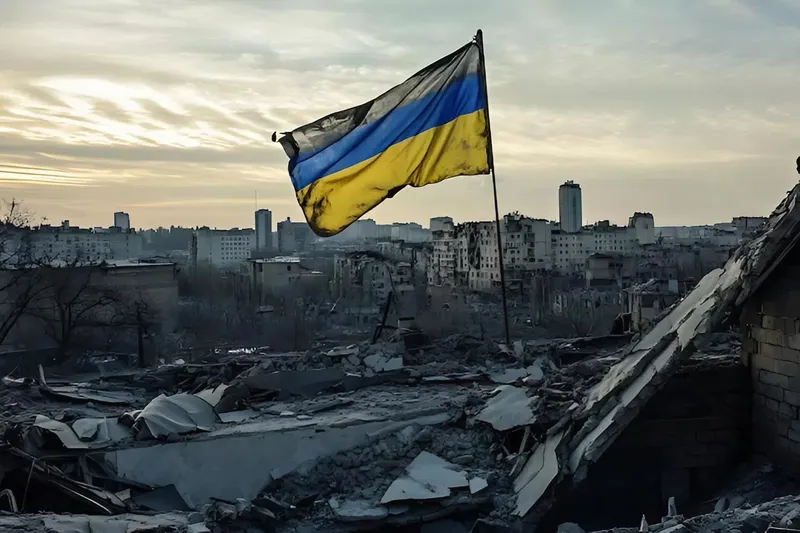
Ukrainian Lessons for Armenia
In 2019, Ukraine enshrined in its Constitution the strategic goal of full membership in the European Union and NATO. This took place amidst the ongoing conflict with Russia.
In 2019, Ukraine enshrined in its Constitution the strategic goal of full membership in the European Union and NATO. This took place amidst the ongoing conflict with Russia.
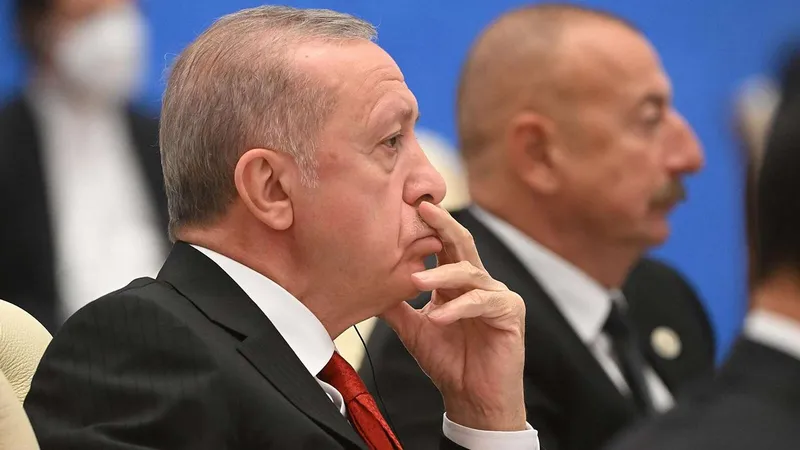
No allies can have identical interests, as these are conditioned by geographical location, economic structure, cultural, ethnic, and religious characteristics, as well as security challenges. From all this stems the main question: sovereign power—who imposes their will on whom, and what are the limits of that imposition?
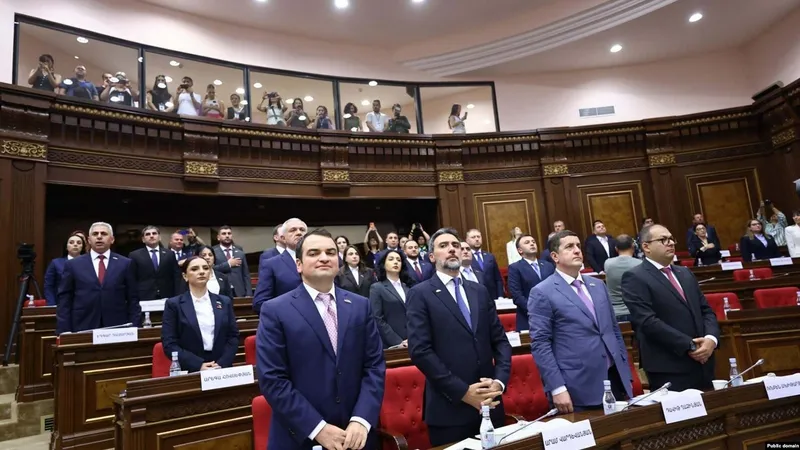
One of the key problems of Armenia's political system is not only the existing "brawls without rules" between the authorities and the opposition, but also the primitiveness of political competition and political debate. Political competition is replaced by personalized verbal warfare and fistfights in the National Assembly, political programs by mutual accusations, and the discussion of alternative models of state governance by questions surrounding the retention of power or regime change.
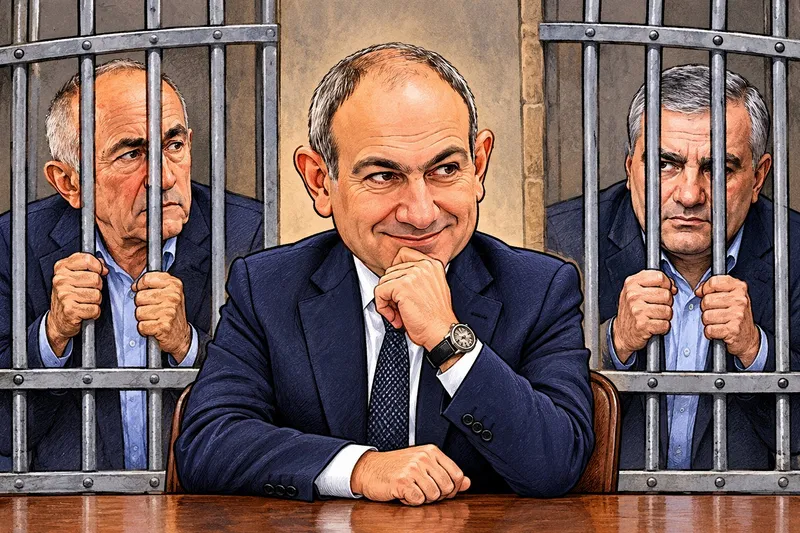
The arrests of opposition figures during and after the elections, political persecutions during the pre-election period, as well as the illegal decision of the Central Electoral Commission on the failure of the "Prosperous Armenia" party to enter the parliament, deepened public distrust toward electoral processes.
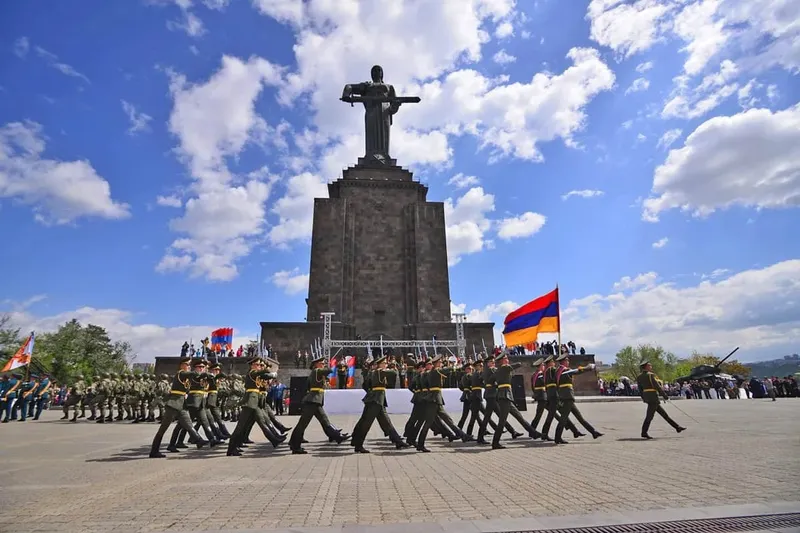
Why is Armenia delaying its decision on the CSTO?

The state is a realm of law and justice. And one of the core functions of the state is the protection of property. When it comes to a democratic state governed by the rule of law, this assumes crucial importance for the existence of such a state. Without legally protected property, the political life of the state, including the formation and activity of state power, as well as the administration of justice, is impossible. This happens in part because owners of large property seek to protect their property by seizing state power. Power and economic activity merge, leading to the paralysis of…
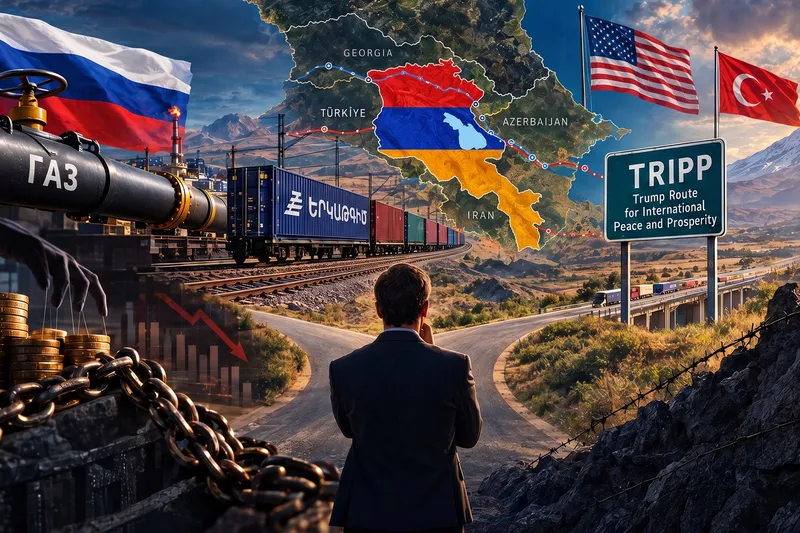
Why can't the current tension in Armenian-Russian relations be viewed solely through the prism of gas prices or the EU-EAEU dichotomy, and what dangers and opportunities arise for Armenia amidst the clash of geopolitical interests?
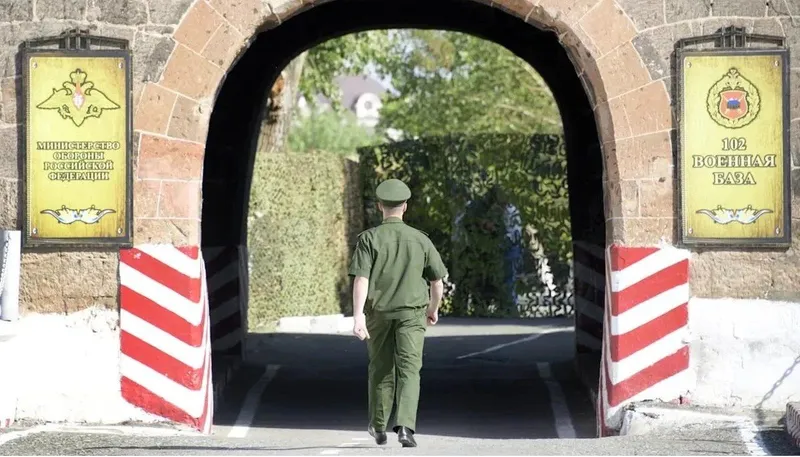
While ruling party deputies were making statements that Russia should decide whether or not to withdraw its military base stationed in Armenia, Russian Deputy Foreign Minister Mikhail Galuzin recently stated that Russia had not received any inquiry from Yerevan regarding the withdrawal of the military contingent from the 102nd military base stationed in Gyumri, Armenia. Earlier in Bishkek, Vladimir Putin had said unequivocally regarding the military base that if it is Armenia's desire, we will withdraw it tomorrow.
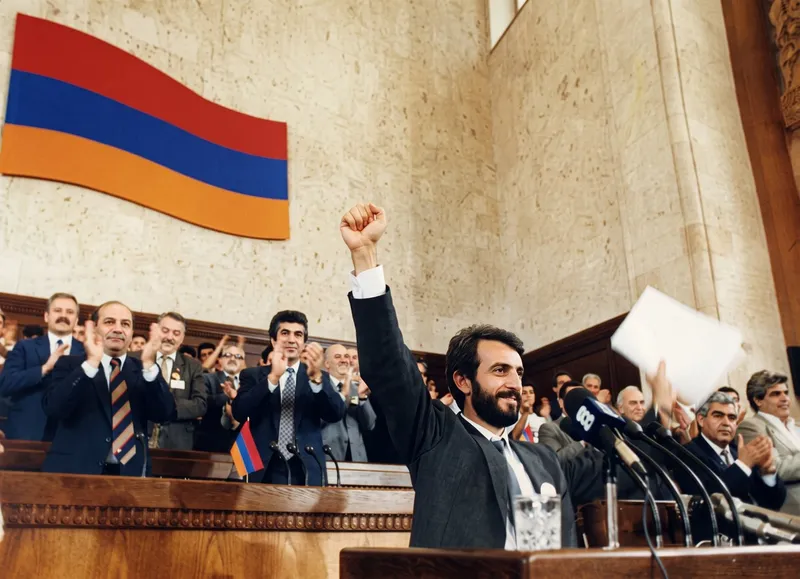
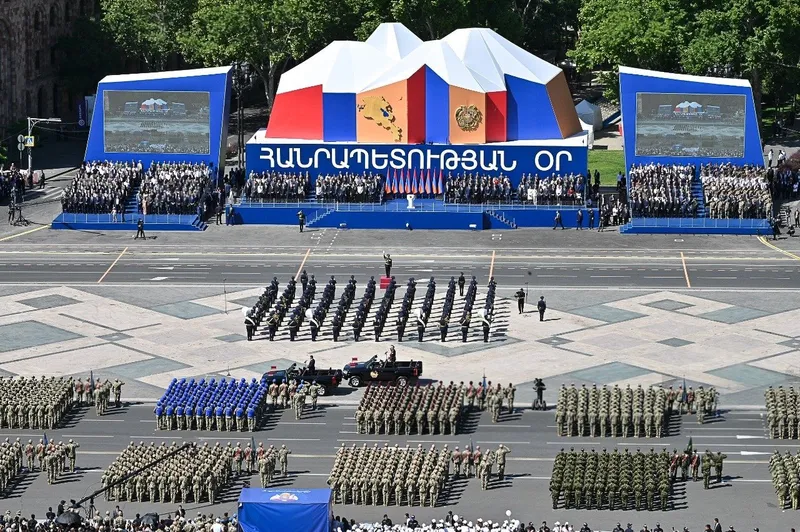
Days commemorating memorable dates in the history of Armenian statehood are "marked" by loud statements from numerous self-proclaimed "know-it-alls" who claim to have known in advance all the secrets of the Soviet Union's collapse and the formation of Armenian statehood. This is especially evident after the defeat in the 2020 war and the loss of Mountainous Karabagh. These vulgar boastings based on everyday political notions, which flood news channels, leave almost no room for any sensible discussion of Armenia's modern history.
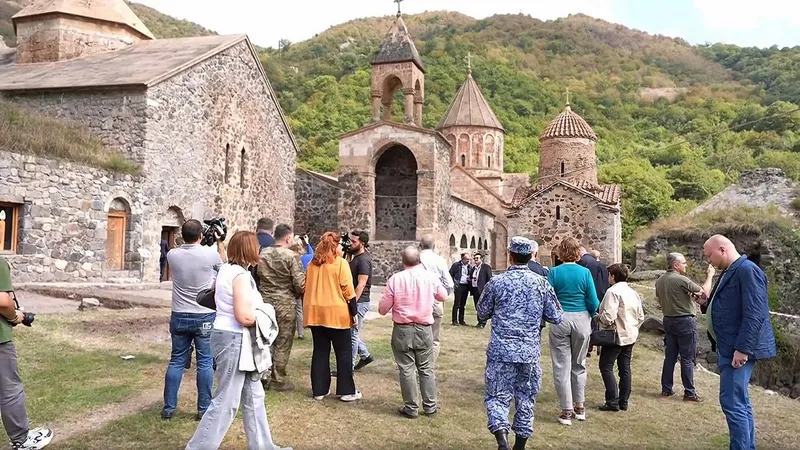
The demands of the Azerbaijani authorities and public regarding the territory of the Republic of Armenia have long ceased to surprise anyone. Azerbaijan makes no secret of the fact that it denies the Armenian people the right to independent statehood. Even those Armenian experts who sought the roots of peaceful coexistence within the framework of the settlement of Nagorno-Karabakh realized, after a brief “peaceful” pause, that the situation in Armenian-Azerbaijani relations is much more complicated.
(To be continued in the next issue)
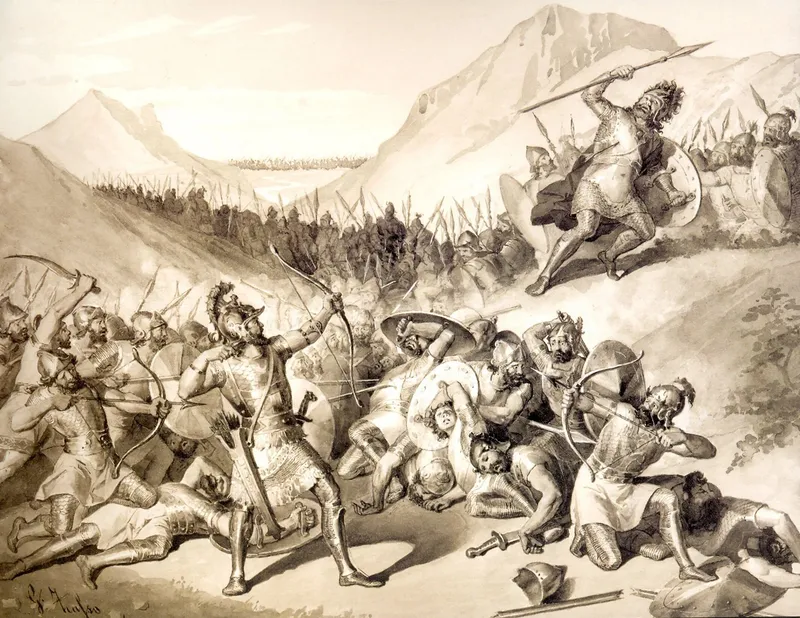
When examining the peculiarities of Armenian civilization, it is necessary to address separately its defense strategy, which was formed, refined, and ultimately reached a high degree of organization over centuries. Although from the perspective of modern theories of strategic planning its individual components might be evaluated as vulnerable or of limited effectiveness, it fully corresponded to the geographical, political, and civilizational realities of the Armenian Highlands. It was precisely this strategy that, over millennia, became one of the main pillars of the Armenian people's vital…
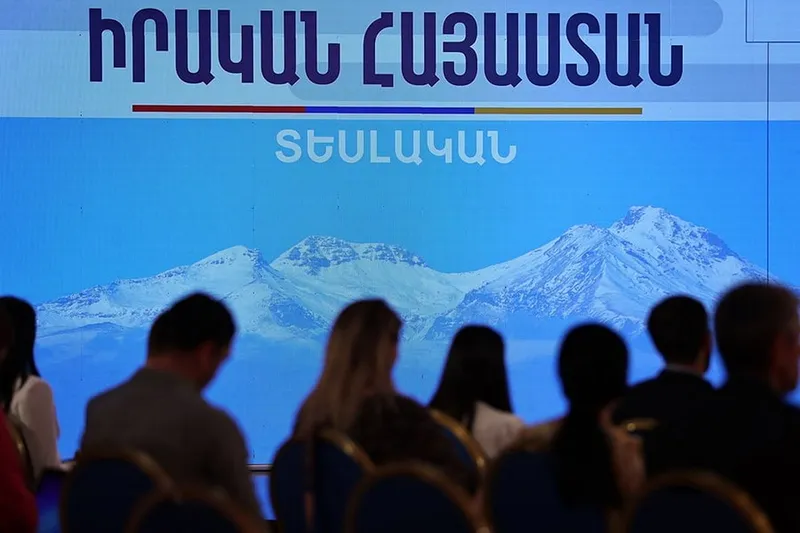
Those who have carefully familiarized themselves with the Government's upcoming five-year program will certainly have noticed that it is based on the visions of the so-called "Real Armenia" and the Fourth Republic, while the head of the country links the goal of the Third Republic, formed three and a half decades ago, with the "restoration of historical justice." He simultaneously claims that in 2021, the public forced him to revise the ideology of the Third Republic.
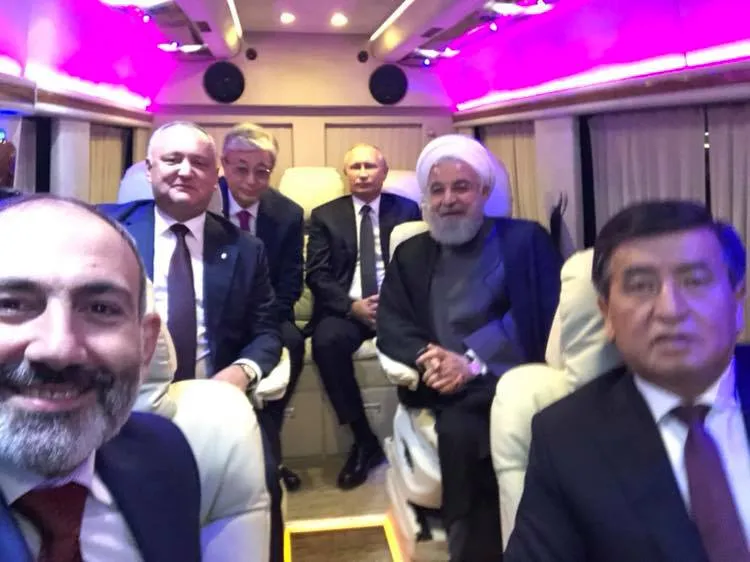
The Summit of the Eurasian Economic Union (EAEU) in Yerevan on October 1 sparked an impetuous response in Armenia and in the member states of the event. And if the presence of the Singapore Prime Minister and the Iranian President at the summit was of interest outside of Armenia, then, inside Armenia, as expected, there was a stir among Russian President Vladimir Putin. The last time the Russian president visited Armenia was almost three years ago. And since the change of power following the Velvet Revolution, all Pashinyan's bilateral meetings with Putin have taken place either in Moscow or…
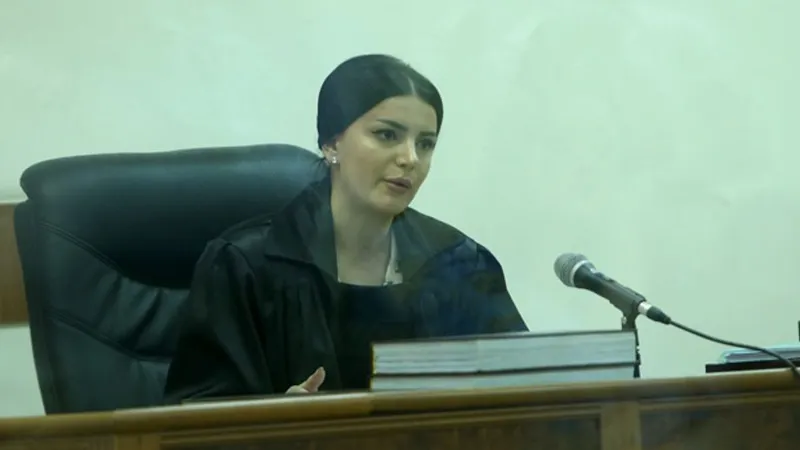
For authoritarian regimes, the law is first viewed as a squeeze ring for usurping power, but as a result of subjecting the justice system to a certain atrophy, it becomes possible to turn the laws into an influential tool for preserving power and punishing opponents. That is, the complete usurpation of power occurs through the profanation of laws. As once the president of Peru, Oscar Benavides said, to friends-everything, to enemies-the law. This postulate was fully implemented in Armenia. The regime masterfully wrote laws to fully ensure its impunity. Laws received a disproportionate…
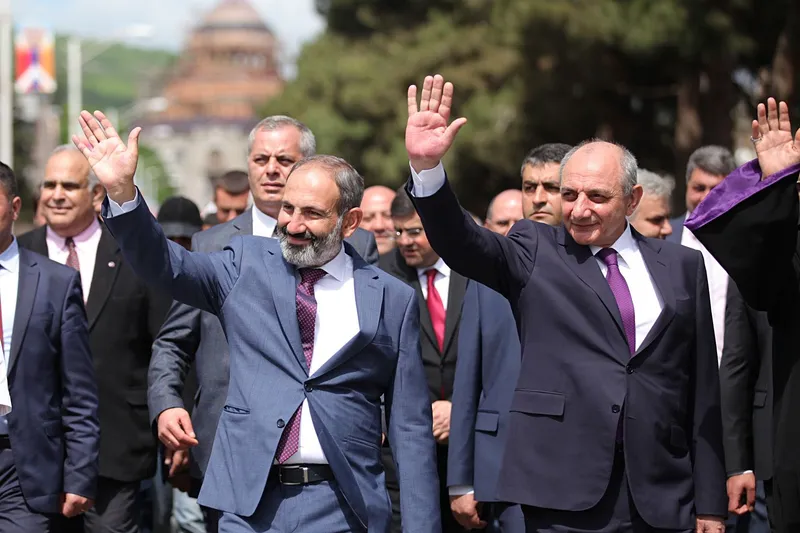
The change of power in Armenia presented in a new light the most crucial problems of the Armenian statehood - the problems of the political state of the NKR and the settlement of international conflict relations around it. The former configuration of the Karabakh factor was disrupted. The approaches to the place and role of the NKR in the state policy of Armenia and in international relations have lost their relevance. A completely different situation arose, requiring the revision of approaches to Artsakh as a country, and the Karabakh problem as a component of the security problem of…