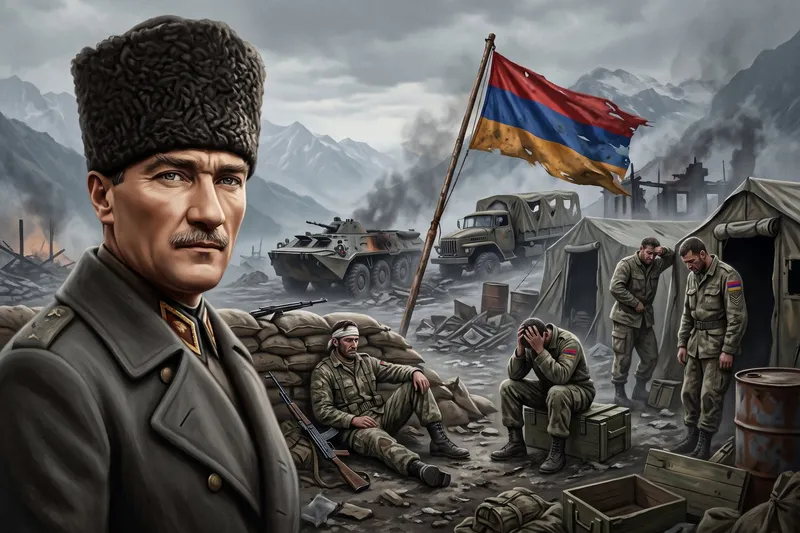
The Implementation of Kemal's Plan in the Armenian Army
The Turks openly presented the plan to destroy the Armenian army in the 1920 Treaty of Alexandropol.
The Turks openly presented the plan to destroy the Armenian army in the 1920 Treaty of Alexandropol.

About 20 years ago, there was a popular joke. A young foolish guy throws himself off the roof of a high-rise building to show off in front of girls. On the ground, under the admiring glances of those girls, right at their feet, he gets up and shakes off his clothes to create the impression that he is omnipotent. But then he goes behind the building and dies.
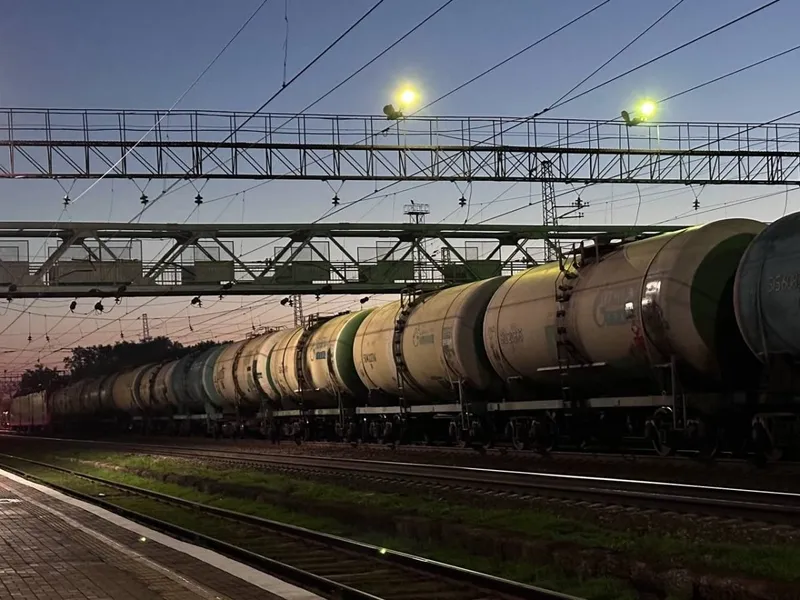
Since 2025, gasoline has been imported from Azerbaijan to Armenia, which has begun to cause problems for Armenian consumers. For now, car engine failures are known, but there is a far more dangerous phenomenon that affects people's health and lives.
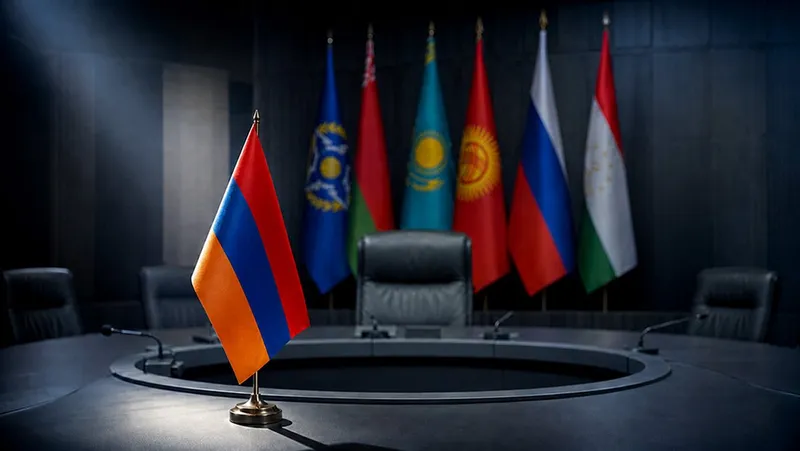
It brings a bitter smile when I see how Armenians get excited by news of a perceived conflict between Azerbaijan and Turkey.
Nowadays, we hear words from all sides that something must be done to save the homeland, that the quality of education must be raised, a patriotic generation must be educated, the nation must be awakened, a systematic fight must be waged against the enemy, and finally, we must unite.
In the 21st century, there is no longer a need to physically destroy nations. There is now a more lethal weapon that alters the mindset of peoples, injecting ideas of self-destruction into it. Often, this manifests as internal hatred and intra-national enmity, but identity transformation is even more effective—when a nation no longer identifies with its ancestors and prefers to belong to another nationality. That is how ethnic identity is destroyed.
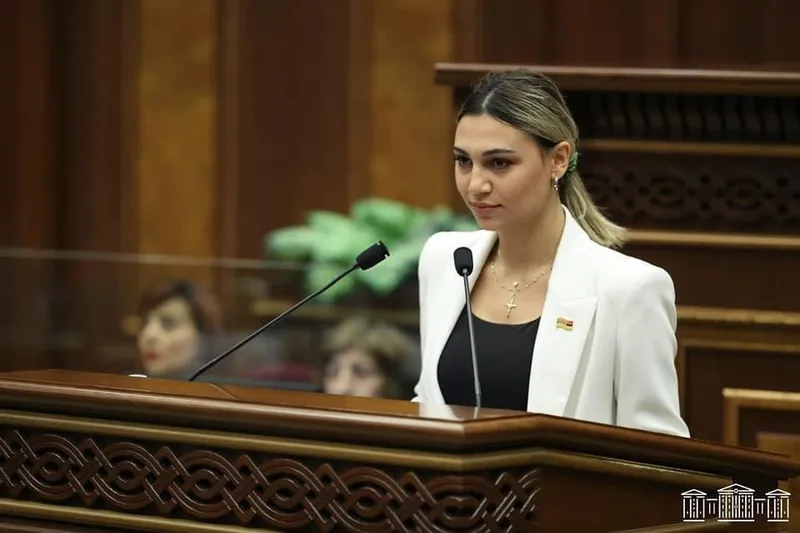
To assess the social needs of Armenians forcibly displaced from the Republic of Artsakh, the "Armenia" faction had organized a discussion in the National Assembly. As far as I understood from the disseminated information, public and political figures from Artsakh, representatives of the government-in-exile of the Republic of Artsakh, as well as certain RA government officials and members of parliament were invited to the discussion.

The family has been a sacred institution for our people for millennia, and attacks directed at the family have been rejected by everyone.
Nairi Hokhikyan
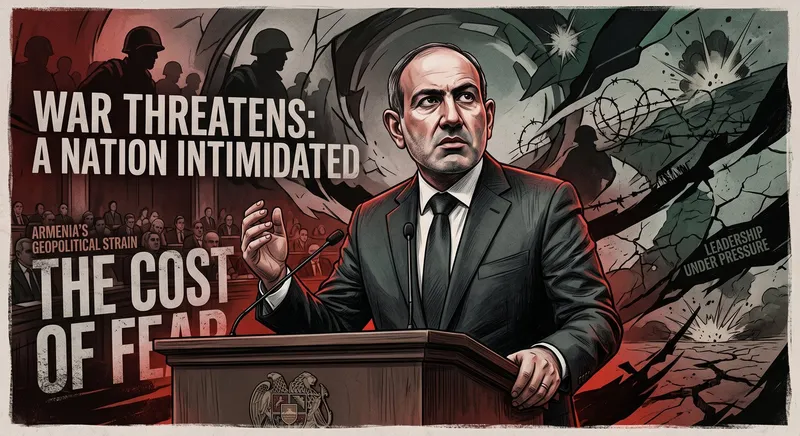
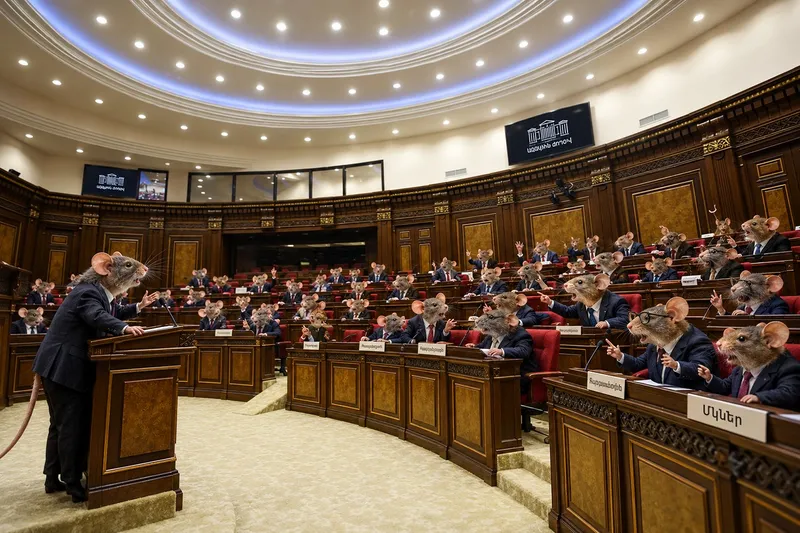
In the context of certain statements voiced in the National Assembly, I saw a hidden thought that was a declaration of war by the CP (Civil Contract). In the responses of CP deputy Arusyak Julhakyan, chair of the Standing Committee on State and Legal Affairs, to opposition deputies' questions about the new Constitution being written, the formulations "we will convince you..." and "we will give such explanations that..." were heard several times.