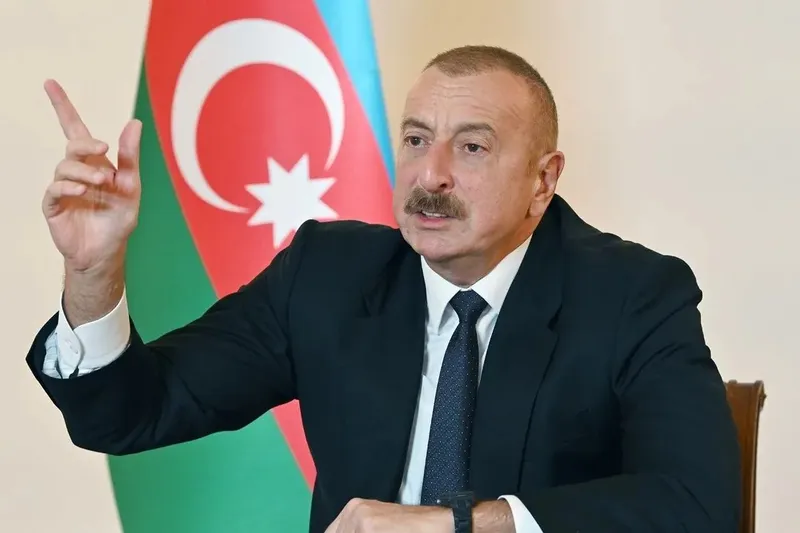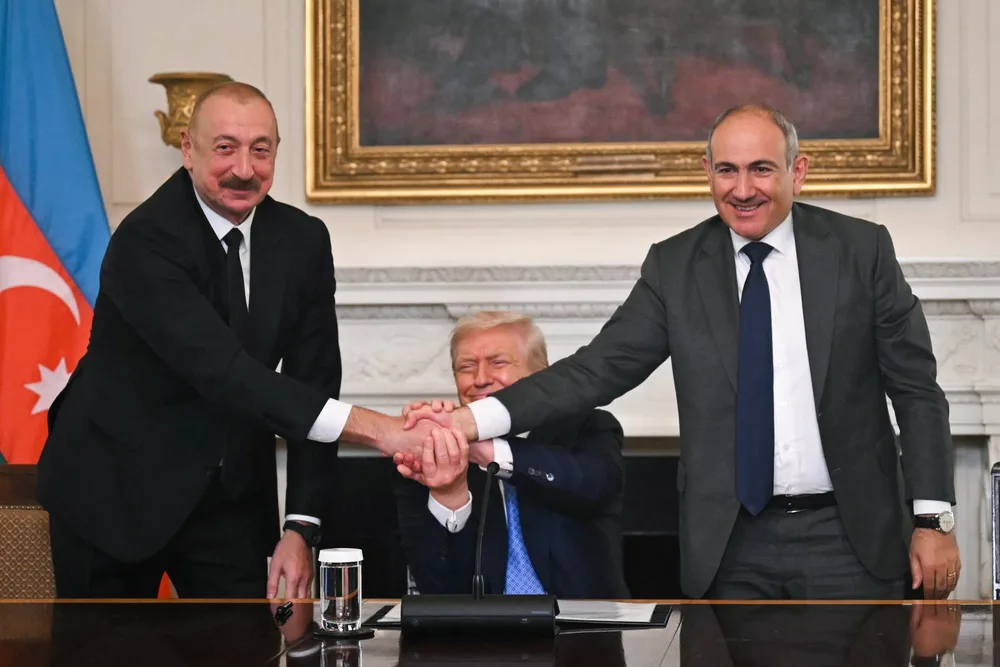
Nikol Pashinyan has declared that adopting a new Constitution will allow not only signing and ratifying a peace treaty with Azerbaijan, but also establishing an “institutional, lasting, and irreversible” peace. At the same time, contradicting himself, he tries to persuade that constitutional changes stem from Armenia's internal necessity, ignoring the fact that Baku has long viewed changing Armenia's Constitution as one of the preconditions for signing a peace treaty.
The Theory of “Offensive Realism”
Is it possible to establish long-term peace in international relations by fulfilling the demands of the stronger party in chain fashion, without restoring the broken power balance that gives birth to those demands? The current state of relations between Armenia and Azerbaijan is not a unique case from a political science standpoint. In the theory of “Offensive Realism” by renowned University of Chicago professor John Mearsheimer, this question has been thoroughly studied. In his work "The Tragedy of Great Power Politics," Mearsheimer explains the nature of international relations through five fundamental propositions.
- The international system is anarchic: there is no world authority standing above states that can unconditionally ensure their security.
- States possess military capabilities that can be used against other states.
- No state can be fully certain about the real and long-term intentions of other states.
- The primary goal of a state is the defense of its own existence.
- States are rational actors and form their strategy based on calculations of security and interests.
One of the key ideas of this theory is that a state's security cannot be based solely on the current intentions of a neighboring state or the mere promises of its leader. Especially when that state is authoritarian Azerbaijan, at the core of whose ruling ideology lies Armenophobia. Moreover, that mass, which traditionally has a simple Muslim self-awareness, turns into a secular nation thanks to hatred toward Armenians. In this regard, anti-Armenian intentions can change very quickly, whereas states' military, economic, and geopolitical capabilities are formed over years. Even if we accept that Azerbaijan today is genuinely interested in establishing peace with Armenia, that in itself is not sufficient to conclude that its political goals will remain the same five, ten, or twenty years later.
In the case of Armenia-Azerbaijan relations, the question is as follows: is Armenia's current government building its peace strategy based on the “good” promises of Azerbaijan's dictator, or on mechanisms that restrict his potential behavior?
A Peace Treaty or a Sequence of Demands?
In March 2025, Azerbaijan’s Ministry of Foreign Affairs put forward two main preconditions for signing a peace treaty: changing Armenia's Constitution and dissolving the OSCE Minsk Process and its related structures. On November 30, 2025, the dissolution of the Minsk Process was already completed. Now, the fulfillment of the second precondition is being discussed. թվականի մարտին Ադրբեջանի արտաքին գործերի նախարարությունը խաղաղության պայմանագրի ստորագրման համար առաջադրել էր երկու հիմնական նախապայման՝ Հայաստանի Սահմանադրության փոփոխությունը և ԵԱՀԿ Մինսկի գործընթացի ու հարակից կառույցների լուծարումը։ 2025 թվականի նոյեմբերի 30-ին Մինսկի գործընթացի լուծարումն արդեն ավարտվեց։ Այժմ քննարկվում է երկրորդ նախապայմանի կատարումը։
What will happen after that? From the perspective of political realism, satisfying any demand does not in itself eliminate the possibility of putting forward new demands. Here it is necessary to distinguish between two concepts: satisfying a demand and eliminating the possibility of putting forward a demand.
The first is the resolution of a specific political issue, while the second is changing the strategic imbalance of power in the presence of which a state can exert pressure on its neighbor. If, by putting forward demands, a state manages to achieve its goals without significant political, economic, or military risks and without the threat of a real countermeasure—as is the case in today's Armenian-Azerbaijani relations—then, from the perspective of realism, that course of action will continue until such demands encounter resistance.
The Balance of Power and the Logic of Concessions
One of the key tenets of Mearsheimer’s theory is that what matters is not only how strong a state is in itself, but also how strong or weak it is compared to its potential adversaries. That is, the balance of power with potential adversaries is what matters. From this stems the significance of the balance of power. Peace does not necessarily imply military equality. However, the correlation of forces can limit the effectiveness of unilateral pressure by raising its political, economic, and security cost.
In the context of Armenia-Azerbaijan relations, constitutional changes can resolve a specific political or legal dispute, but in themselves they do not eliminate military and economic asymmetry. We have a vivid example: the military conflict between Iran and the US-Israel. Iran’s political and military leadership was liquidated, strikes were delivered against a girls' school aimed at spreading terror among the population, and furthermore, the US President threatened to erase Iranian civilization; yet Iran did not break, continued to resist, and as a result, Iran's international role rose. In this conflict, the balance of power is incomparable, but Iran showed that it is ready to pay any price in the event of a clash with strong adversaries; and what price are the US and Israel ready to pay? The steadfastness of spirit of nations and governments, the readiness to pay a high price, is also an important resource in terms of the balance of power. Unfortunately, the same cannot be said about Armenia's current leadership, which broke down as a result of the 2022 Jermuk events and continues to make disproportionate concessions, which further encourages the leadership of Azerbaijan, which continues to advance ever-new demands. Armenia's current leadership is driven by the factor of fear, and in turn injects that fear into the public. Regardless of its promises, it is not advantageous for Azerbaijan to sign a document establishing relations with Armenia. Even if such a paper is signed, it does not guarantee that at an opportune moment it will not resort to aggression again.
Coercive Diplomacy and Its Limits
In international relations theory, there is the concept of Coercive Diplomacy. Its essence is changing the behavior of another state through the threat of military force or political and economic pressure. This can relate not only to interstate relations, but also to changing the adversary state's domestic policy, or even its identity. In Armenia's case, this is clearly visible: under Azerbaijani coercion, Armenia is changing its state symbols, its narrative of history, photos of fallen soldiers are removed from schools, etc. The effectiveness of coercive diplomacy depends on a number of factors: the correlation of forces, the credibility of threats, the capabilities for resistance, and the involvement of international actors.
The Azerbaijani side claims that Armenia’s current Constitution contains a problem regarding Azerbaijan’s territorial integrity, whereas the Armenian authorities have repeatedly stated in the past that the current Constitution contains no territorial claims. The Ministry of Foreign Affairs of the Republic of Armenia has also referred to the Constitutional Court’s decision of September 26, 2024, substantiating that position.
An important legal-political question arises here: if Armenia’s current Constitution does not legally hinder the recognition of Azerbaijan’s territorial integrity, then why has changing it become a political precondition for establishing peace?
Mearsheimer and the Issue of Peace Guarantees
According to Mearsheimer's theory, in international relations states must independently take care of their security needs. That is, no state can entirely transfer the responsibility for its survival to the goodwill of other states or international structures. This does not mean that international law, treaties, and alliance relations are pointless, but relying solely on them is ineffective.
In Armenia’s case, three levels of peace must be distinguished: the absence of military operations, legally established peace, and strategically stable peace.
The signing of a peace treaty can provide an important prerequisite for moving to the second level. However, the third level also requires predictable interstate relations, mutual obligations, and effective security mechanisms.
It is noteworthy that the peace agreement initialed on August 8, 2025, already includes provisions on mutual recognition of territorial integrity, refraining from the use of force, and settlement of disputes. Therefore, it is also important to understand why those mutual obligations are not considered sufficient for signing the document. Or perhaps Azerbaijan does not need to sign some treaty, but rather to advance such demands per se, during which it forces ever-new concessions upon Armenia.
When Do the Demands End?
Within the framework of Mearsheimer's theory, the stability of peace is conditioned not only by declared intentions, but also by the correlation of forces and the strategic calculations of states. Consequently, the key question facing Armenia is not merely whether it is worth changing the Constitution to sign a peace treaty. The more fundamental question is what new political, legal, and security reality will take shape in the region after the constitutional changes.
The Constitution can regulate Armenia’s political structure, but it cannot regulate Azerbaijan’s geopolitical appetite.
Ara Smbatyan
Machine translation · Կարդալ բնօրինակը (ՀԱՅ)