The Week's Developments with Commentary
At the center of recent news broadcasts are the current domestic political, security, and foreign policy developments of the Republic of Armenia. Constitutional changes initiated by the government, EAEU-CSTO economic pressures, trends toward moving into the European Union, arrests of major opposition businesspeople, and peacetime army deaths have become the subject of media and wide public discussion.
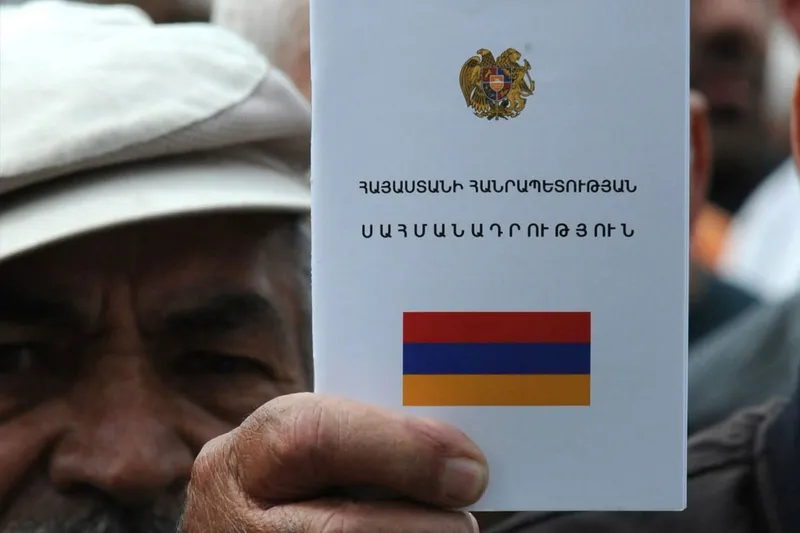
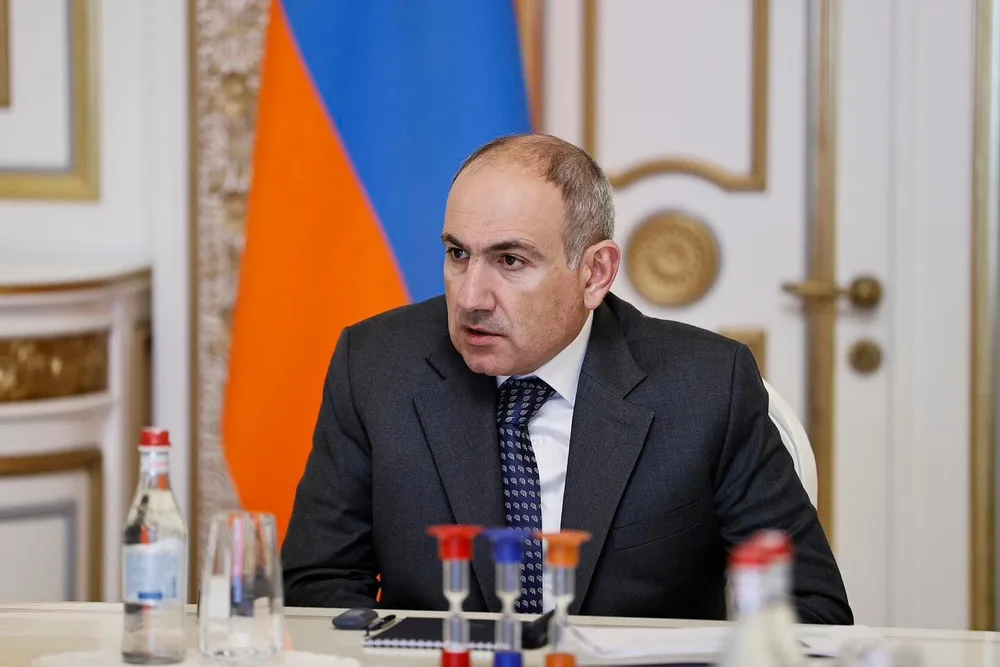
As is known, the current ruling political force, led by the prime minister, is actively pushing forward the issue of adopting a new Constitution, at the core of which is removing the reference to the Declaration of Independence. The government asserts that this is an internal agenda and a step toward strengthening statehood, whereas the opposition camp asserts with conviction that the change is being made at the direct demand of Baku as a prerequisite for concluding a peace treaty with Azerbaijan.
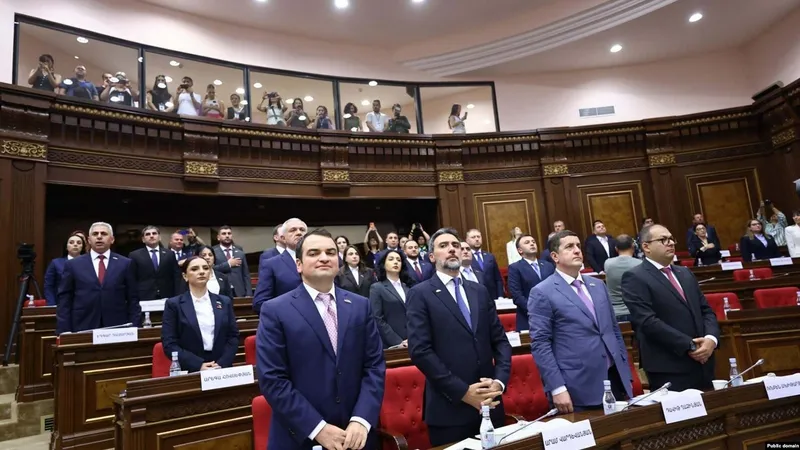
In Parliament, a 2/3 vote of deputies is required to put the draft of the new Constitution to a referendum. The ruling Civil Contract faction is short 6 votes to overcome that threshold. Pashinyan warned that if the opposition blocks the adoption of the project, public pressure would be generated against them. Minister of Justice Srbuhi Galyan criticized the opposition with harsh statements ("they are banging their heads against the wall"). Concurrently, Foreign Minister Mirzoyan proposed turning the constitutional referendum into a referendum of confidence in the prime minister, hinting that in the event the project fails, the government will resign. In response to this, 12 opposition forces (including Strong Armenia, PAP, Armenia Alliance, RPA, ANC, and ARF) have formed a united front to derail the adoption of the new Constitution.
This situation surrounding the constitutional amendments speaks to a deep political crisis.
Russia has submitted a draft resolution to the CSTO to deprive Yerevan of its voting rights and the opportunity to nominate candidates for positions on the grounds that the latter has frozen its membership in the structure and has not transferred its membership fees. According to Russian Foreign Ministry spokesperson Maria Zakharova, there are no plans to keep Armenia by force, and the Armenian side has reaffirmed that it has no intention of returning to the CSTO.
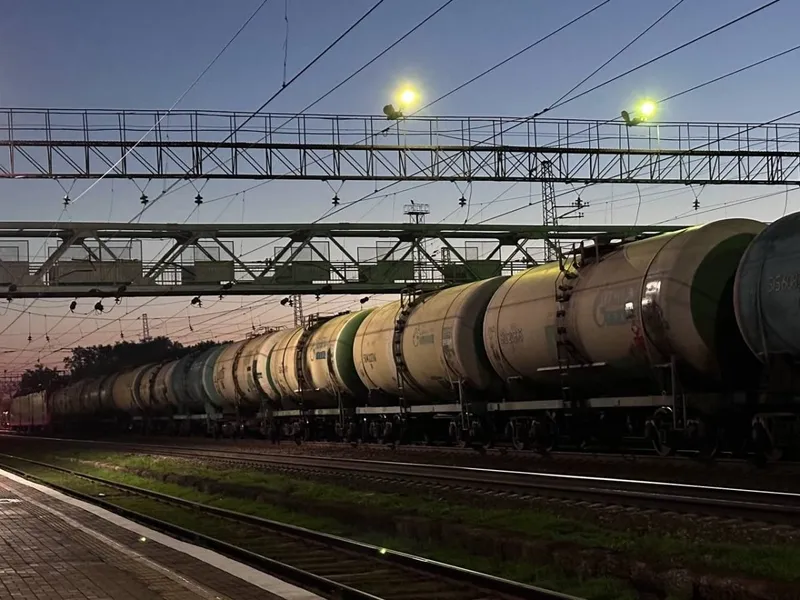
Against the backdrop of all this, Moscow has blocked the export of Armenian agricultural produce, alcohol, and fish products to the Russian market since the beginning of the year. The EAEU report states that if Armenia leaves the Union, the country's GDP will decrease by 15.6%, and gas prices will rise by 69%. Minister of Economy Gevorg Papoyan counters that this is exaggerated. According to Central Bank calculations, a 10% increase in gas prices will affect inflation by 0.8%, and a 30% increase in gas prices at the border (going from $174.4 to $226.8) will raise the electricity tariff by 1.4 drams (whereas a 69% increase implies 3.3 drams). Pashinyan has declared that Yerevan does not plan to leave the EAEU, but also rejects Moscow's demand to hold a referendum regarding the foreign vector.
The head of government attended the EU Expansion Summit in Brussels in recent days, where he stated that Armenia could submit a full membership application to the European Union in 2027 or 2028. He also considered it important to achieve a visa-liberalization agreement with the EU in 2029.
This week, law enforcement officers arrested and detained for 1 month billionaire Samvel Karapetyan, leader of the Strong Armenia opposition force, along with 35 other individuals. They are accused of causing 64.5 billion drams (~$180 million) in damage to the Electric Networks of Armenia (ENA), embezzlement, and money laundering. Karapetyan characterized the incident in court as a "legal disgrace," while the opposition field maintains that this is political persecution due to opposing the new Constitution and forming an opposition front.
The court extended the detention of Prosperous Armenia Party leader Gagik Tsarukyan by another 3 months (he has been in custody for 4 months already). Companies belonging to his family (Multi Tobacco, Euromotors, etc.) remain blocked, incurring billions of drams in losses.
The increase in serviceman deaths in the army has sparked great public outrage.
In 2026, the number of servicemen killed in peacetime reached 17, exceeding the previous full year's figure by 7. The latest incident was the death of 19-year-old conscript Tigran Stepanyan in Sevan. Law enforcement agencies and the Ministry of Defense remain silent as to under which article or articles the criminal case was launched. Minister Suren Papikyan refused to answer journalists' questions, while Chief of the General Staff Edvard Asryan noted that they still need to understand what drives servicemen to suicide.
The rise in non-combat casualties in the army and the military leadership's failure to provide clear clarifications deepen public distrust toward this institution. This speaks to systemic shortcomings in the internal moral and psychological atmosphere and control system within the armed forces.
AI translation · Կարդալ բնօրինակը (ՀԱՅ)